Business Name: BeeHive Homes of Crownridge Assisted Living & Memory Care
Address: 6919 Camp Bullis Rd, San Antonio, TX 78256
Phone: (210) 874-5996
BeeHive Homes of Crownridge Assisted Living & Memory Care
We are a small, 16 bed, assisted living home. We are committed to helping our residents thrive in a caring, happy environment.
6919 Camp Bullis Rd, San Antonio, TX 78256
Business Hours
Monday thru Saturday: 9:00am to 5:00pm
Facebook: https://www.facebook.com/sweethoneybees
Instagram: https://www.instagram.com/sweethoneybees19/
Families rarely start their look for memory care from a calm, large location. More frequently, it begins after a roaming incident, a middle-of-the-night fall, or a moment when a spouse understands they can no longer keep their partner safe in the house. By the time someone types "assisted living" or "dementia care" into a search bar, they are generally tired, stressed, and not sure whom to trust.
Much of what they see initially are large, polished structures with dozens or hundreds of locals, layers of management, and a long list of facilities. What typically hides in the shadow of the larger brand names are small memory care homes, often called residential care homes, group homes, or cottage designs. These homes might serve eight to twenty individuals, in some cases fewer, in a setting that feels more like a household house than a facility.
After years working around senior care and visiting hundreds of neighborhoods, I have actually seen the exact same pattern repeat: individuals living with dementia typically do better when their world is small enough to comprehend and personal adequate to BeeHive Homes of Crownridge Assisted Living & Memory Care assisted living feel known. Not everybody, and not in every situation, however frequently adequate that it should have close attention.
This article looks closely at why these small settings matter, where they excel, and where they may not be the right fit.
What "small-scale memory care residence" truly means
The term itself is slippery, because guidelines and naming conventions alter from state to state and nation to nation. Still, a couple of typical characteristics appear in a lot of small memory care settings.
They typically run in a structure that looks and works like a house, not a medical center. Citizens have private or semi-private bed rooms, a shared kitchen area, living space, and yard, and the whole area is walkable in a minute or two. Hallways are short. You can stand in the primary living location and see most of the typical spaces from one spot.
Staffing patterns are also various from conventional assisted living or large memory care units. Instead of a rotating cast of lots of personnel, citizens usually see the same small group of caregivers each day. Those caretakers aid with personal care, meals, activities, and often basic housekeeping.
Licensing differs. In some regions, these homes are accredited as assisted living or residential care; in others, they fall under board and care or adult household home guidelines. What matters more than the label is how intentionally the home is developed and run for dementia care, and how effectively it supports both security and significant life.
When households stroll into a well-run small home, they frequently state the very same thing: "This feels like a home." That sensation comes from more than decor. It shows the size, rhythms, and relationships that shape everyday life.
Why little size matters for people coping with dementia
Dementia diminishes a person's cognitive map. Complex layout, multiple dining rooms, and long passages end up being a labyrinth. Even high-functioning individuals with early dementia can tire quickly in environments that require continuous orientation and re-orientation.
A small memory care home simplifies the psychological load in a number of ways.
First, there are less individuals to track. Rather of trying to recognize fifty fellow residents and several turning staff, an individual may frequently see ten to fifteen individuals overall, including caregivers and other citizens. That is closer to the village-sized social world lots of older grownups matured in, where you knew your neighbors and they understood you.
Second, the environment is easier to find out and keep. A resident can bear in mind that their bedroom is off the kitchen area, that the garden is through one moving door, and that the restroom is simply 3 steps from their recliner. Repetition locks in these patterns, which reduces anxiety and the sense of "being lost," a common distress signal in dementia care.
Third, the noise and visual stimulation are naturally lower. There is normally no large lobby with televisions roaring, no busy restaurant-style dining room, and less overhead announcements or large-group activities. For somebody whose brain is currently working hard to process information, that quieter, easier sensory environment can make a dramatic distinction in state of mind and behavior.
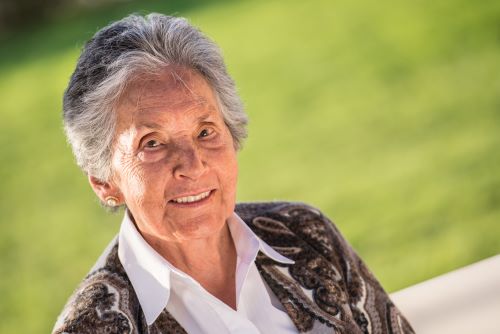
I remember one gentleman, a retired engineer, who had been asked to leave 2 large memory care units since of agitation and pacing. In both, he strolled the long halls all the time, irritated by loud tvs and annoyed by locked doors he did not comprehend. Within two weeks of moving into a small, ten-resident home, his pacing reduced, and he started sitting at the table long enough to finish meals. The environment had actually not treated his dementia, but it stopped challenging him at every turn.
The power of consistent, familiar caregivers
If you speak to individuals who deal with the flooring in memory care, numerous will inform you their most significant frustration is not the citizens, but the churn. Personnel reoccur, get floated to other systems, or pick up additional shifts in buildings they do not know well. Citizens living with dementia then face an unlimited stream of new faces, brand-new voices, and brand-new care styles.
Small-scale memory care homes tend to rely on a steady core group. The same two or three caregivers might cover most of the daytime hours. This consistency has a number of useful benefits.
Caregivers learn the rhythms and triggers of each resident in intimate detail. They notice that Mrs. G becomes restless right before afternoon medication time and needs a quiet chat at the window. They understand that Mr. R will accept a shower if you start by cleaning his hands, however not if you lead with shampoo. These small, individual insights are the heart of good dementia care, and they develop just when people work together over time.
Families also establish relationships with these caregivers. Instead of duplicating their story each month to a new team member, they can text or talk straight with someone who already understands the backstory. Interaction flows more naturally: "Your mom appeared a little more confused today, has anything changed with her medications?" feels very different when it originates from someone the family has actually seen every week.
From a functional perspective, smaller sized groups can be more active. If a resident's dementia progresses and they start awakening previously, a small home can often adjust staff regimens quickly. In a big assisted living neighborhood, making the exact same modification may need rewriting multiple schedules and getting approvals from a number of layers of management.
None of this guarantees excellence. Small homes can have turnover too. But the style of the setting makes consistency more attainable and more noticeable.
Daily life on a human scale
Ask locals and families what matters most, and you hardly ever hear about fitness centers or elaborate lobbies. You find out about coffee together in the morning, walks in the sunlight, laundry that smells like home, and the easy kindness of being called by name.
Small-scale memory care residences tend to weave these ordinary details more quickly into the day.
Meals are a fine example. In lots of group homes, breakfast is not a mass-produced tray served at a set hour. Someone cracks eggs in a genuine pan, makes toast, brews coffee, and residents who wake early can sit at the table and watch or chat. The smells, the sounds, the timing all mirror home life. Even homeowners with innovative dementia frequently respond to those sensory cues in a method they never ever did to laminated menus or buffet lines.
Activities also feel various. Rather than a printed calendar loaded with occasions led by an activities director, you often see spontaneous, small group engagement. Folding towels, watering plants, stirring cookie dough, clipping coupons, or taking a look at image books may not look like "programs," however they stimulate maintained skills and provide structure. For individuals with dementia, taking part in genuine jobs can be more significant than being entertained.
At the same time, it is important to avoid glamorizing. A little home that does not prioritize engagement can be simply as dull as a big one, only on a smaller scale. When I tour homes, I pay more attention to whether homeowners look included and comfortable than to the size of the building. A quiet home where people are taking a snooze after lunch can be perfectly fine; a peaceful home where citizens gaze at a television throughout the day is a warning, no matter size.
Safety and clinical quality in a small setting
Families in some cases worry that a smaller residence might imply less medical oversight. That issue is reasonable, and the response depends heavily on the operator. Small does not instantly indicate much better, nor does it immediately imply less safe. It simply magnifies the strengths and weaknesses of whoever is in charge.
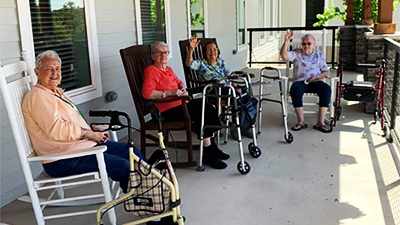
From a safety perspective, compact designs can really assist. Caregivers can see the majority of the typical areas at a glimpse, and it is harder for somebody to roam undetected into a remote corner. If a resident falls or calls out, staff are physically closer and can respond much faster. Exit doors can be kept an eye on more simply, and outside areas are typically completely fenced and noticeable from the kitchen or living room.
Medication management varies. In some regions, a nurse supervises several little homes, visiting regularly and being on require concerns. In others, there may be a nurse on staff part-time or contracted through a home health company. What matters is clear protocols: who fills pill organizers, who look for adverse effects, and how communication streams with the primary care supplier or neurologist.

For dementia care in specific, non-drug techniques often make the biggest difference. A person who is upset in a large group setting may settle quickly in a smaller area with fewer stimuli. That alone can reduce the perceived requirement for antipsychotic medications. I have actually seen homeowners who went into a little home on 3 or 4 psychotropic medications gradually taper down under a doctor's guidance, just since the environment was less overwhelming.
Still, some individuals require higher levels of healthcare. People with complex injury issues, regular hospitalizations, or sophisticated Parkinsonian signs might be much better served in a setting with 24/7 on-site nursing, something most small homes can not pay for or are not accredited to supply. This is why a truthful evaluation by a geriatrician, neurologist, or skilled care supervisor is invaluable.
When a little house suits dementia care specifically well
Certain patterns of dementia fit especially well with small environments.
Individuals in the middle stages of Alzheimer's disease who can stroll independently however are risky living alone often thrive. They take advantage of familiar routines, gentle redirection, and the possibility to take part in family tasks without needing to handle the whole house themselves.
People with frontotemporal dementia who battle with impulse control can often do better in a small house that comprehends their habits as neurological, not deliberate mischief. With fewer individuals around, caretakers can prepare for triggers and reroute quickly.
Families supplying care in the house for a partner or parent might also use small houses for respite care. A two-week or month-long remain in a small home can offer the main caretaker time to rest, manage medical visits, or simply catch up on sleep. When respite takes place in a setting that feels intimate and personal, households are more ready to utilize it again, which in turn can postpone the need for permanent placement.
Of course, no environment removes the sorrow of seeing somebody decline. What a little, well-run home can provide is a softer landing: a place where the everyday losses are buffered by relationships, familiarity, and attention.
Trade-offs and limitations of small-scale settings
Size alone does not ensure quality. In fact, smaller sized operations can sometimes hide problems more easily if there is little oversight or if they sit outside the marketing spotlight.
There are also genuine trade-offs.
Amenities are normally easier. You will not find a full-service salon, cinema, or on-site physical therapy fitness center. For some residents, these are luxuries they never ever utilized even in bigger neighborhoods, so the loss is minimal. For others, especially those who enjoyed more formal activities, the difference matters.
Staffing depth can be an issue. In a ten-resident home with 2 caregivers on task, if one is consolidated a shower and another resident has a toileting emergency situation, somebody might require to wait. In a large structure with lots of assistants, there may be more backup. On the other hand, the very same large building might have longer walks and more divided attention, which can slow action times in a various way.
Regulation and openness differ extensively. Some areas have robust inspection systems for little homes; others use only restricted oversight. Households might need to work a little more difficult to request for survey outcomes, complaint histories, and referrals from current families.
Cost is not constantly lower. In some markets, high-quality small homes charge more each month than normal assisted living since they provide more personnel per resident and can not spread overhead over a substantial structure. In other areas, they are competitively priced or even lower, typically since they avoid costly features and corporate layers.
The secret is to see small-scale memory care not as a more affordable or cozier version of assisted living, however as a distinct design with its own strengths and limitations.
How families experience little homes differently
Family members frequently explain a mental shift when their loved one moves into a genuinely home-like house. Instead of sensation like visitors at a center, they seem like guests in a house where their relative lives.
I have seen daughters stroll in bring groceries and start making soup in the shared kitchen, with personnel's blessing. Kids might help fix a loose cabinet hinge or set up bird feeders outside the window. Grandchildren can use the floor in the living-room without the sense of being in the way.
This level of participation is not unique to small homes, however the scale fosters it. When a family calls to ask how their loved one is doing, the person responding to the phone usually knows. There is less passing of messages in between departments. That immediacy reduces stress and anxiety and builds trust.
Respite care take advantage of this structure also. A family taking care of a parent with dementia in your home may set up a weekly over night or a routine week-long remain at a little home. When the setting corresponds, the parent ends up being knowledgeable about the personnel and the environment, lowering the tension of each transition. The caretaker in the house gets real rest, not just a much shorter night of worry.
The psychological benefit shows up in subtle ways: a spouse who no longer feels guilty every minute they are not physically present, or an adult kid who can go on a brief getaway without the background fear that catastrophe is one call away.
What to look for when visiting a small memory care residence
Tours inform you just a lot, but specific information almost always reveal the culture of a home. During a visit, take note not just to what the manager states, however to what you observe between staff and residents.
Here are a couple of concrete things to watch and inquire about:
- How do personnel speak with locals, specifically when rerouting or assisting with personal care? Tone of voice matters more than any sales brochure. Do residents appear tidy, properly dressed, and unwinded, or do they look disheveled or anxious? Is the cooking area really used for cooking, and are there familiar household smells like coffee, soup, or baking, instead of only reheated trays? How are personal belongings handled in bedrooms and common locations? You desire evidence that people's life stories are visible, not locked away. Ask how the home interacts with households about changes in health, mood, or behavior. Demand particular examples, not just basic assurances.
If possible, visit unannounced as soon as, preferably at a less polished time, such as early evening or a weekend afternoon. Life in senior care rarely appears like the brochure at 6:30 p.m. On a Sunday, which is when you can really see how staff handle tiredness, confusion, and the so-called "sundowning" hours.
Questions to ask yourself before choosing a little home
Even an excellent small home might not match every household's needs or worths. Before signing anything, it helps to reflect honestly about concerns, expectations, and constraints.
A short internal list can clarify your thinking:
- Does my loved one choose calm, intimate areas, or have they always drawn energy from bigger crowds and events? Am I comfy trading some official features for more personal attention and an easier environment? How most likely is my family to remain involved daily, and does this home welcome that involvement or discreetly prevent it? Can this setting handle my loved one's most likely future requirements, or will we be forced to move again if their medical intricacy increases? Does the monetary plan still work if costs increase somewhat each year, or if my loved one lives longer than expected?
Families sometimes resist these concerns due to the fact that they already feel overwhelmed by the immediate crisis. Yet taking an additional hour to analyze long-term fit can prevent an unpleasant second move 6 or twelve months later.
Balancing heart and head in dementia care decisions
Memory care choices sit at the intersection of feeling, security, and usefulness. A small-scale house that feels warm and personal might win your heart instantly, however it still needs competent management, sound staffing, and a clear plan for medical issues. A larger assisted living or committed memory care wing might feel more institutional, yet be the ideal location for someone with highly complicated needs.
The core benefit of little homes is not that they are amazingly much better. It is that they make thoughtful, customized dementia care more structurally possible. The environment does less harm by default. The relationships are closer by design. The life looks more like the life many older adults lived for decades, only with knowledgeable support layered in.
When that structure is matched with strong management, thoughtful dementia training, and honest communication with families, the result can be powerful: residents who feel safe sufficient to be themselves, caregivers who have time to truly understand them, and families who can breathe again.
For anyone weighing options in senior care, specifically when dementia is in the image, it deserves stepping far from glossy brochures and square video charts for a moment and asking a simple concern: In this location, with these people, might my loved one be known?
In many small memory care homes, the response is quietly, with confidence, yes.
BeeHive Homes of Crownridge Assisted Living has license number of 307787
BeeHive Homes of Crownridge Assisted Living is located at 6919 Camp Bullis Road, San Antonio, TX 78256
BeeHive Homes of Crownridge Assisted Living has capacity of 16 residents
BeeHive Homes of Crownridge Assisted Living offers private rooms
BeeHive Homes of Crownridge Assisted Living includes private bathrooms with ADA-compliant showers
BeeHive Homes of Crownridge Assisted Living provides 24/7 caregiver support
BeeHive Homes of Crownridge Assisted Living provides medication management
BeeHive Homes of Crownridge Assisted Living serves home-cooked meals daily
BeeHive Homes of Crownridge Assisted Living offers housekeeping services
BeeHive Homes of Crownridge Assisted Living offers laundry services
BeeHive Homes of Crownridge Assisted Living provides life-enrichment activities
BeeHive Homes of Crownridge Assisted Living is described as a homelike residential environment
BeeHive Homes of Crownridge Assisted Living supports seniors seeking independence
BeeHive Homes of Crownridge Assisted Living accommodates residents with early memory-loss needs
BeeHive Homes of Crownridge Assisted Living does not use a locked-facility memory-care model
BeeHive Homes of Crownridge Assisted Living partners with Senior Care Associates for veteran benefit assistance
BeeHive Homes of Crownridge Assisted Living provides a calming and consistent environment
BeeHive Homes of Crownridge Assisted Living serves the communities of Crownridge, Leon Springs, Fair Oaks Ranch, Dominion, Boerne, Helotes, Shavano Park, and Stone Oak
BeeHive Homes of Crownridge Assisted Living is described by families as feeling like home
BeeHive Homes of Crownridge Assisted Living offers all-inclusive pricing with no hidden fees
BeeHive Homes of Crownridge Assisted Living has a phone number of (210) 874-5996
BeeHive Homes of Crownridge Assisted Living has an address of 6919 Camp Bullis Rd, San Antonio, TX 78256
BeeHive Homes of Crownridge Assisted Living has a website https://beehivehomes.com/locations/san-antonio/
BeeHive Homes of Crownridge Assisted Living has Google Maps listing https://maps.app.goo.gl/YBAZ5KBQHmGznG5E6
BeeHive Homes of Crownridge Assisted Living has Facebook page https://www.facebook.com/sweethoneybees
BeeHive Homes of Crownridge Assisted Living has Instagram https://www.instagram.com/sweethoneybees19
BeeHive Homes of Crownridge Assisted Living won Top Assisted Living Homes 2025
BeeHive Homes of Crownridge Assisted Living earned Best Customer Service Award 2024
BeeHive Homes of Crownridge Assisted Living placed 1st for Senior Living Communities 2025
People Also Ask about BeeHive Homes of Crownridge Assisted Living
What is BeeHive Homes of Crownridge Assisted Living monthly room rate?
Our monthly rate depends on the level of care your loved one needs. We begin by meeting with each prospective resident and their family to ensure we’re a good fit. If we believe we can meet their needs, our nurse completes a full head-to-toe assessment and develops a personalized care plan. The current monthly rate for room, meals, and basic care is $5,900. For those needing a higher level of care, including memory support, the monthly rate is $6,500. There are no hidden costs or surprise fees. What you see is what you pay.
Can residents stay in BeeHive Homes of Crownridge Assisted Living until the end of their life?
Usually yes. There are exceptions such as when there are safety issues with the resident or they need 24 hour skilled nursing services.
Does BeeHive Homes of Crownridge Assisted Living have a nurse on staff?
Yes. Our nurse is on-site as often as is needed and is available 24/7.
BeeHive Homes of Crownridge Assisted Living & Memory Care has license number of 307787
BeeHive Homes of Crownridge Assisted Living & Memory Care is located at 6919 Camp Bullis Road, San Antonio, TX 78256
BeeHive Homes of Crownridge Assisted Living & Memory Care has capacity of 16 residents
BeeHive Homes of Crownridge Assisted Living & Memory Care offers private rooms
BeeHive Homes of Crownridge Assisted Living & Memory Care includes private bathrooms with ADA-compliant showers
BeeHive Homes of Crownridge Assisted Living & Memory Care provides 24/7 caregiver support
BeeHive Homes of Crownridge Assisted Living & Memory Care provides medication management
BeeHive Homes of Crownridge Assisted Living & Memory Care serves home-cooked meals daily
BeeHive Homes of Crownridge Assisted Living & Memory Care offers housekeeping services
BeeHive Homes of Crownridge Assisted Living & Memory Care offers laundry services
BeeHive Homes of Crownridge Assisted Living & Memory Care provides life-enrichment activities
BeeHive Homes of Crownridge Assisted Living & Memory Care is described as a homelike residential environment
BeeHive Homes of Crownridge Assisted Living & Memory Care supports seniors seeking independence
BeeHive Homes of Crownridge Assisted Living & Memory Care accommodates residents with early memory-loss needs
BeeHive Homes of Crownridge Assisted Living & Memory Care does not use a locked-facility memory-care model
BeeHive Homes of Crownridge Assisted Living & Memory Care partners with Senior Care Associates for veteran benefit assistance
BeeHive Homes of Crownridge Assisted Living & Memory Care provides a calming and consistent environment
BeeHive Homes of Crownridge Assisted Living & Memory Care serves the communities of Crownridge, Leon Springs, Fair Oaks Ranch, Dominion, Boerne, Helotes, Shavano Park, and Stone Oak
BeeHive Homes of Crownridge Assisted Living & Memory Care is described by families as feeling like home
BeeHive Homes of Crownridge Assisted Living & Memory Care offers all-inclusive pricing with no hidden fees
BeeHive Homes of Crownridge Assisted Living & Memory Care has a phone number of (210) 874-5996
BeeHive Homes of Crownridge Assisted Living & Memory Care has an address of 6919 Camp Bullis Rd, San Antonio, TX 78256
BeeHive Homes of Crownridge Assisted Living & Memory Care has a website https://beehivehomes.com/locations/san-antonio/
BeeHive Homes of Crownridge Assisted Living & Memory Care has Google Maps listing https://maps.app.goo.gl/YBAZ5KBQHmGznG5E6
BeeHive Homes of Crownridge Assisted Living & Memory Care has Facebook page https://www.facebook.com/sweethoneybees
BeeHive Homes of Crownridge Assisted Living & Memory Care has Instagram https://www.instagram.com/sweethoneybees19
BeeHive Homes of Crownridge Assisted Living & Memory Care won Top Assisted Living Homes 2025
BeeHive Homes of Crownridge Assisted Living & Memory Care earned Best Customer Service Award 2024
BeeHive Homes of Crownridge Assisted Living & Memory Care placed 1st for Senior Living Communities 2025
People Also Ask about BeeHive Homes of Crownridge Assisted Living & Memory Care
What is BeeHive Homes of Crownridge Assisted Living & Memory Care monthly room rate?
Our monthly rate depends on the level of care your loved one needs. We begin by meeting with each prospective resident and their family to ensure we’re a good fit. If we believe we can meet their needs, our nurse completes a full head-to-toe assessment and develops a personalized care plan. The current monthly rate for room, meals, and basic care is $5,900. For those needing a higher level of care, including memory support, the monthly rate is $6,500. There are no hidden costs or surprise fees. What you see is what you pay.
Can residents stay in BeeHive Homes of Crownridge Assisted Living & Memory Care until the end of their life?
Usually yes. There are exceptions such as when there are safety issues with the resident or they need 24 hour skilled nursing services.
Does BeeHive Homes of Crownridge Assisted Living & Memory Care have a nurse on staff?
Yes. Our nurse is on-site as often as is needed and is available 24/7.
What are BeeHive Homes of Crownridge Assisted Living & Memory Care visiting hours?
Normal visiting hours are from 10am to 7pm. These hours can be adjusted to accommodate the needs of our residents and their immediate families.
Do we have couple’s rooms available?
At BeeHive Homes of Crownridge Assisted Living & Memory Care, all of our rooms are only licensed for single occupancy but we are able to offer adjacent rooms for couples when available. Please call to inquire about availability.
What is the State Long-term Care Ombudsman Program?
A long-term care ombudsman helps residents of a nursing facility and residents of an assisted living facility resolve complaints. Help provided by an ombudsman is confidential and free of charge. To speak with an ombudsman, a person may call the local Area Agency on Aging of Bexar County at 1-210-362-5236 or Statewide at the toll-free number 1-800-252-2412. You can also visit online at https://apps.hhs.texas.gov/news_info/ombudsman.
Are all residents from San Antonio?
BeeHive Homes of Crownridge Assisted Living & Memory Care provides options for aging seniors and peace of mind for their families in the San Antonio area and its neighboring cities and towns. Our senior care home is located in the beautiful Texas Hill Country community of Crownridge in Northwest San Antonio, offering caring, comfortable and convenient assisted living solutions for the area. Residents come from a variety of locales in and around San Antonio, including those interested in Leon Springs Assisted Living, Fair Oaks Ranch Assisted Living, Helotes Assisted Living, Shavano Park Assisted Living, The Dominion Assisted Living, Boerne Assisted Living, and Stone Oaks Assisted Living.
Where is BeeHive Homes of Crownridge Assisted Living & Memory Care located?
BeeHive Homes of Crownridge Assisted Living & Memory Care is conveniently located at 6919 Camp Bullis Rd, San Antonio, TX 78256. You can easily find directions on Google Maps or call at (210) 874-5996 Monday through Sunday 9am to 5pm.
How can I contact BeeHive Homes of Crownridge Assisted Living & Memory Care?
You can contact BeeHive Homes of Crownridge Assisted Living & Memory Care by phone at: (210) 874-5996, visit their website at https://beehivehomes.com/locations/san-antonio/,or connect on social media via Facebook or Instagram
Take a scenic drive to Historic Market Square El Mercado only about 29 minutes away from our BeeHive Homes of Crownridge Assisted Living & Memory Care